Land Leveling in Houston, TX
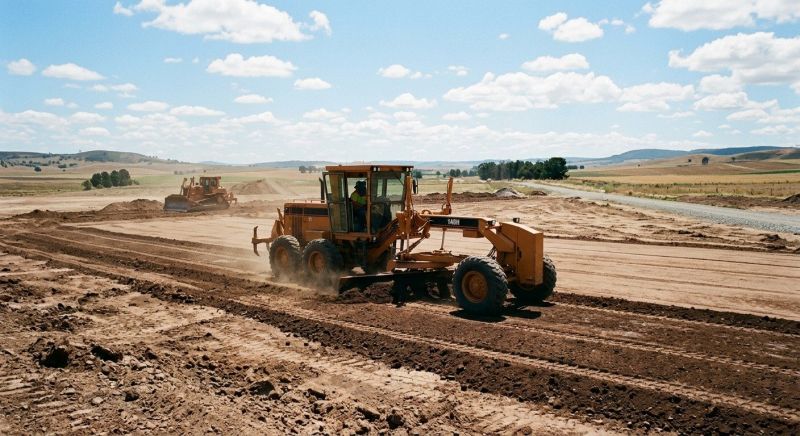
Land leveling services involve adjusting the elevation of a property’s surface to create a smooth, even terrain. This process is commonly used for preparing land for construction projects, establishing proper drainage, or improving the overall appearance of a yard. Property owners typically request land leveling for new landscaping, installing driveways or patios, or ensuring that fields and gardens have a uniform surface that supports healthy growth and effective water flow.
Before requesting land leveling, property owners should consider the current condition of the land, including any existing slopes, drainage issues, or obstacles such as rocks or debris. Understanding the scope of the project, including the size of the area and the desired final grade, helps ensure the work meets specific needs. Clarifying these details in advance can help facilitate a smooth process and achieve a level surface that supports future use and development of the property.
Many property owners in Houston, TX look into Land Leveling for repairs, replacements, upgrades, and appearance-related improvements.
Ensuring Proper Drainage
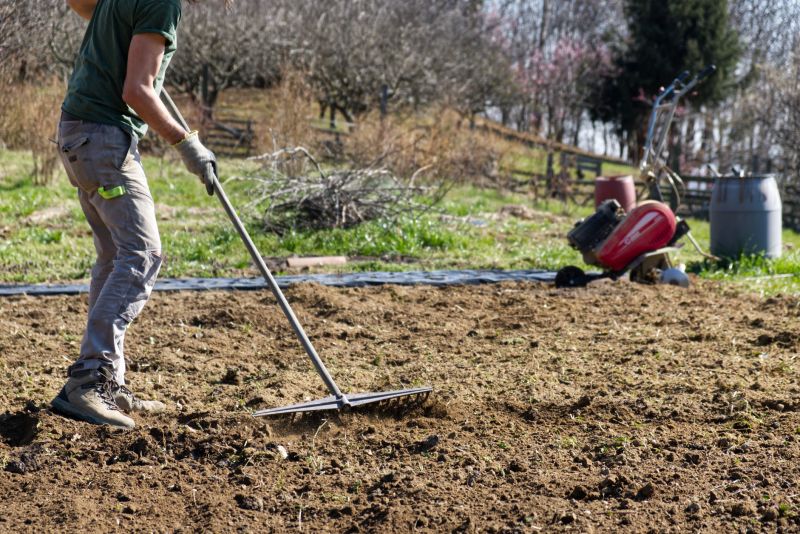
Land leveling helps prevent water pooling and directs runoff away from structures.
Preparing For Construction
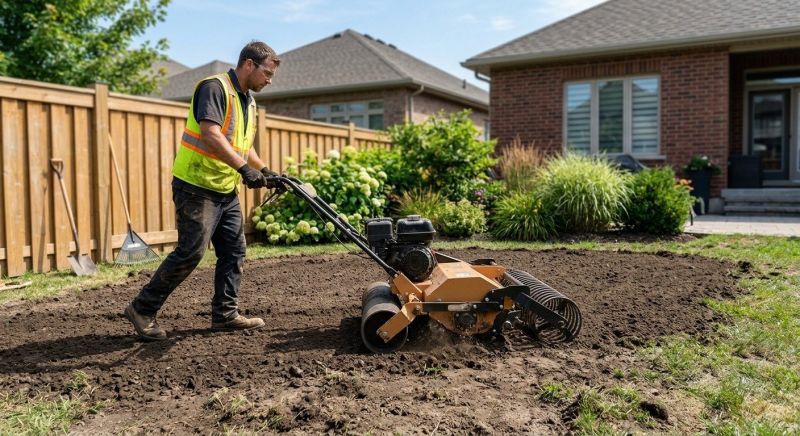
Leveling the land creates a stable foundation for building patios, driveways, or new structures.
Enhancing Property Aesthetics
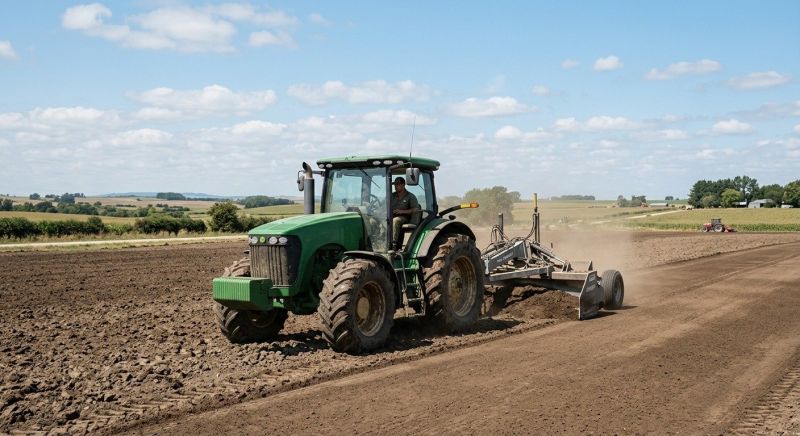
A smoothly graded yard improves curb appeal and creates a more functional outdoor space.
Land Leveling in Houston, TX
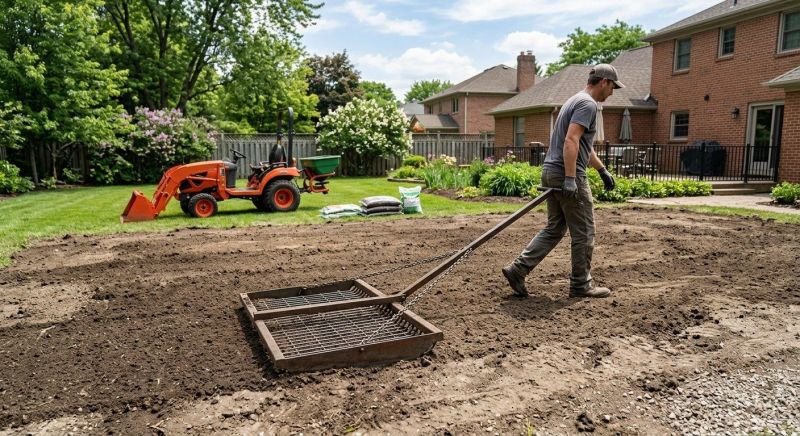
Land leveling services involve adjusting the elevation of a property’s surface to create a smooth, even terrain. This process is commonly used for preparing land for construction projects, establishing proper drainage, or improving the overall appearance of a yard. Property owners typically request land leveling for new landscaping, installing driveways or patios, or ensuring that fields and gardens have a uniform surface that supports healthy growth and effective water flow.
Before requesting land leveling, property owners should consider the current condition of the land, including any existing slopes, drainage issues, or obstacles such as rocks or debris. Understanding the scope of the project, including the size of the area and the desired final grade, helps ensure the work meets specific needs. Clarifying these details in advance can help facilitate a smooth process and achieve a level surface that supports future use and development of the property.
Many property owners in Houston, TX look into Land Leveling for repairs, replacements, upgrades, and appearance-related improvements.
Common Land Leveling Jobs
Land leveling involves grading the land to create a smooth, even surface for construction or landscaping projects.
Soil leveling helps improve drainage and prevents water pooling around foundations or gardens.
Yard grading prepares the property for proper water runoff and reduces erosion risks.
Site preparation includes leveling land before installing lawns, patios, or driveways.
Agricultural leveling enhances field productivity by creating uniform planting surfaces.
Construction land grading ensures a stable base for building foundations and other structures.
Land Leveling Questions
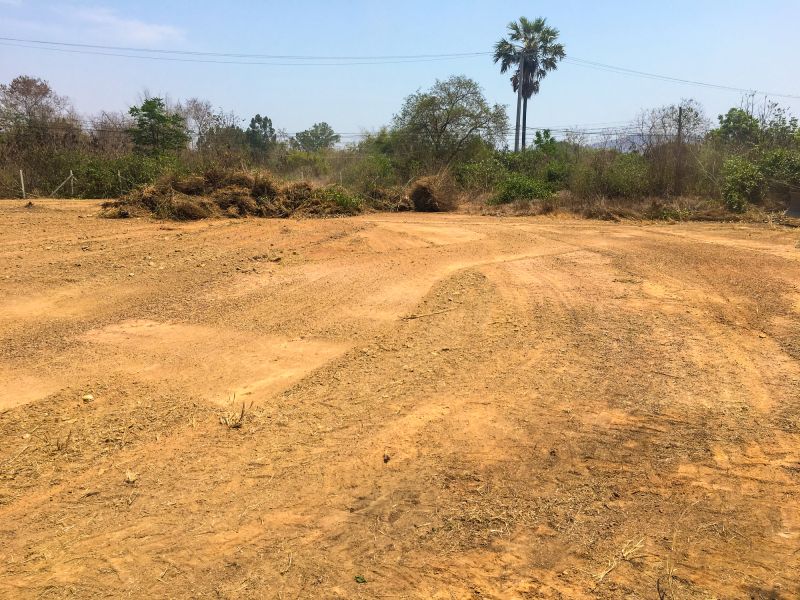
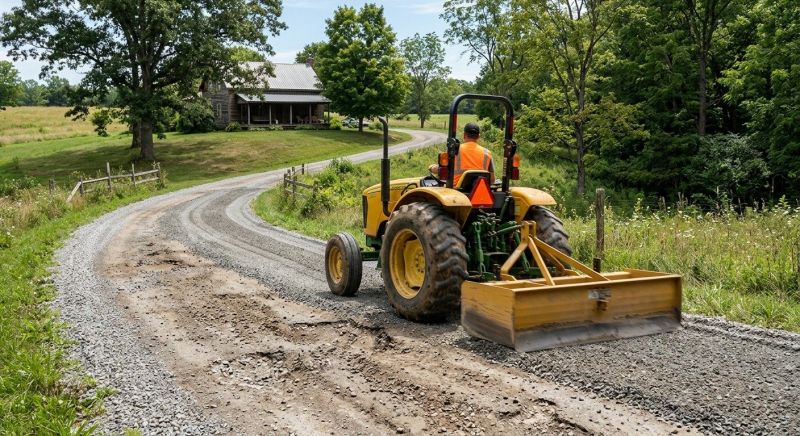
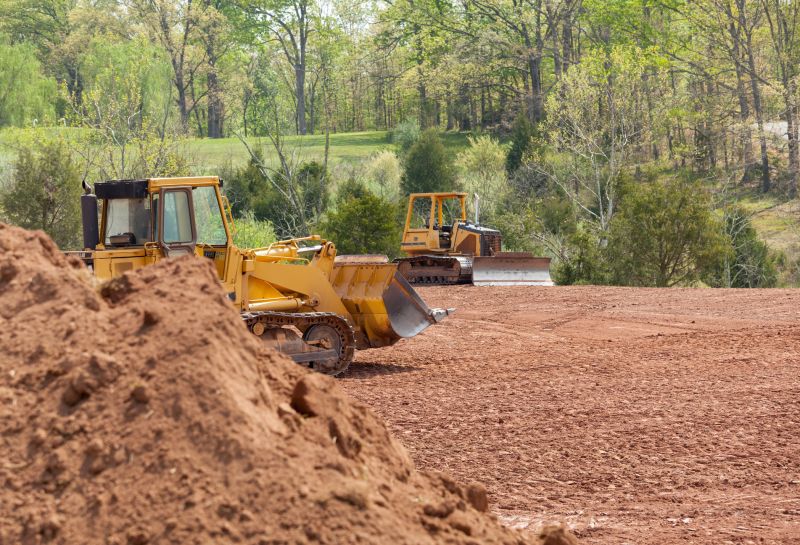
What is land leveling? Land leveling is the process of smoothing and adjusting the surface of a property to create a flat, even area suitable for construction, landscaping, or drainage improvements.
What types of projects benefit from land leveling? Land leveling is commonly used for preparing sites for building foundations, installing irrigation systems, or creating level lawns and sports fields.
How does land leveling improve property drainage? By creating a uniform slope, land leveling helps direct water away from structures and prevents pooling or flooding on the property.
Is land leveling suitable for all types of soil? Land leveling works best with stable soils; highly clayey or loose soils may require additional preparation or stabilization before leveling.
Request Land Leveling in Houston, TX
Use the quote form on this page to share the basics of your project and request more information for the type of work you need.